
Aims and methods
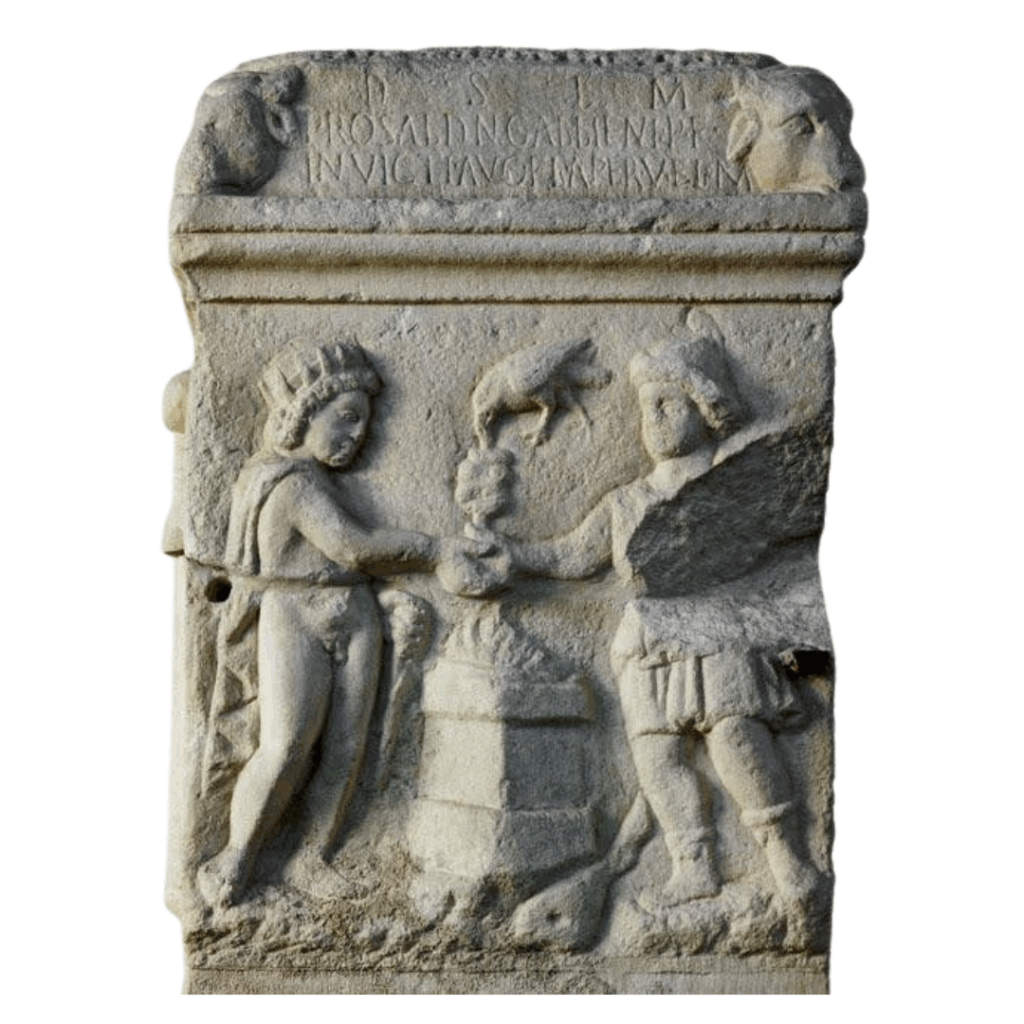
The rich archaeological, epigraphic, and figurative remains of the Roman cult of Mithras are among the most spectacular exhibits in the museums and archaeological parks of Central and Eastern Europe. At the same time, the cult was also one of the defining, empire-shaping phenomena of religious life in the Roman Empire, whose influence can still be clearly seen in its Renaissance and contemporary afterlife.
The project entitled “REMITHRA: reinventing Roman Mithras. Materiality and appropriations of a Roman cult in Central-Eastern Europe” aims to map and digitize the entire Mithraic epigraphic, figurative, and archaeological material of the middle and lower Danube provinces (Pannonia Superior, Pannonia Inferior, Moesia Superior, Moesia Inferior and Dacia) using contemporary tools, to examine the glocal characteristics of the cult’s ancient social mobility and living religious aspects, its reception history during the Renaissance and European Enlightment, its impact on contemporary museology and modern, neo-pagan religious movements and popcultural phenomena.
Research background
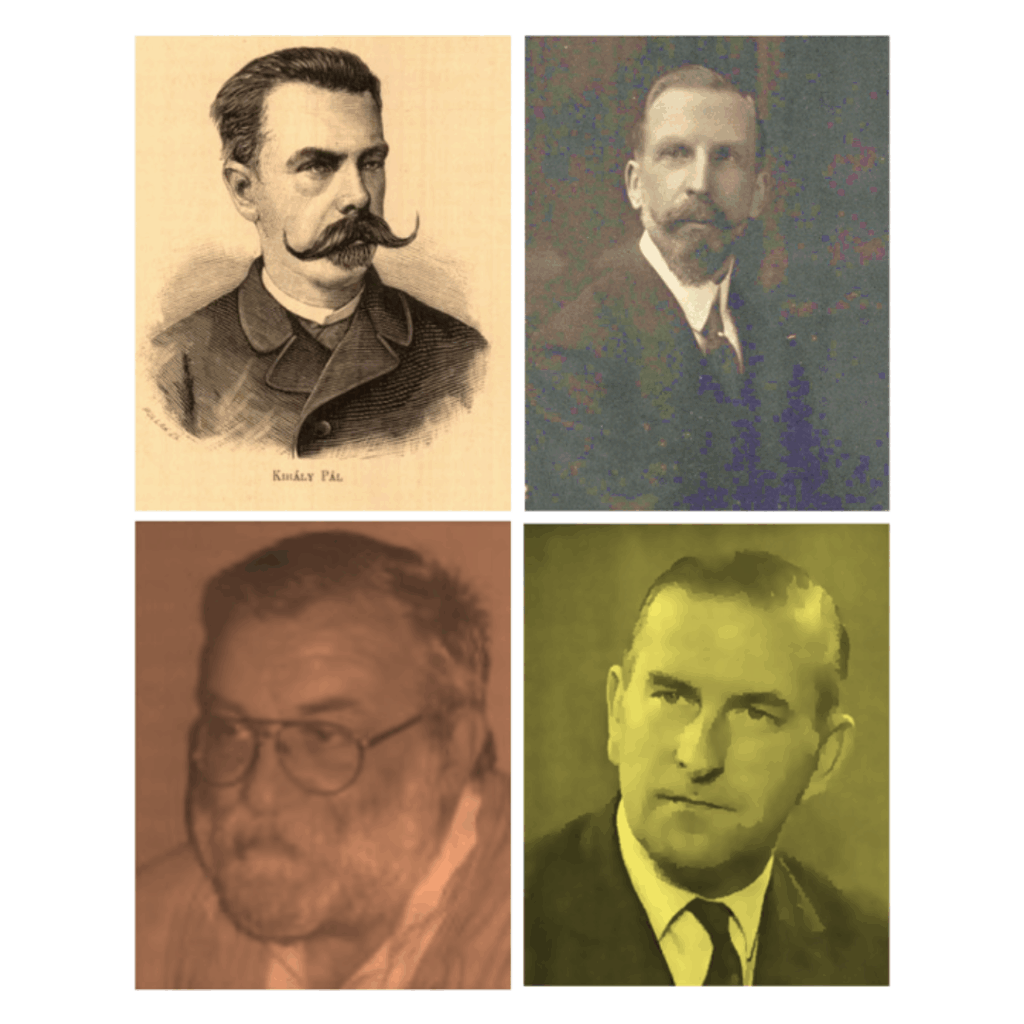
Research into the Roman cult of Mithras and its material sources in Central and Eastern Europe dates back nearly a two hundred years. Several modern authors stand out in this field, including Pál Király, Bálint Kuzsinszky, Mihovil Abramić, István Tóth, Cloșca Băluță, as well as several internationally renowned researchers, such as Franz V. Cumont, Maarten J. Vermaseren, and Aleš Chalupa. The last systematic summary of regional sources on the cult was published in 1960 in Vermaseren’s paradigmatic catalog (CIMRM II.). In the nearly seven decades since then, numerous new shrines have been discovered and new methodological theories have emerged in the history of research on Mithras and Roman religion, requiring a reinterpretation of local sources, their modern collection, and analysis within a broader religious studies framework.
The project leader, the permanent members, and collaborating researchers of the project have published numerous volumes and studies on the cult of Mithras, its reception history, and the phenomenon of religious glocalism in the Danube region over the past 15 years, which has laid the methodological foundations for the research group.
Research fields
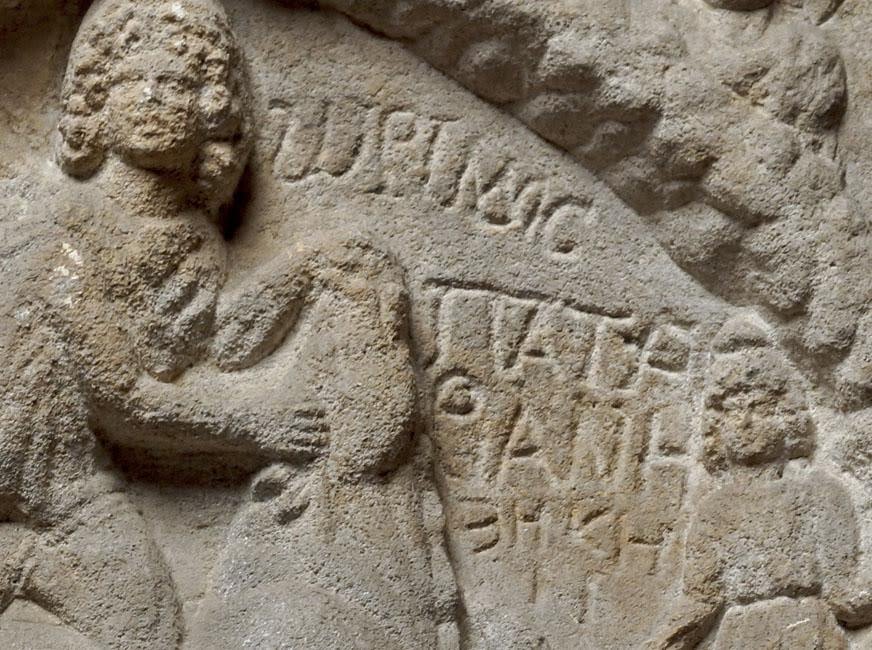
The project explores the cult of Mithras through four interconnected research fields. It will first document and reinterpret all Mithraic monuments from the Danubian provinces – including the newly discovered Mithraeum VI at Aquincum – in an open-access digital database. It will then examine the cult’s social history and religious “glocalism” using epigraphic, archaeological, iconographic and literary sources with network analysis and data visualisation. A third strand reconstructs the pre-Cumont reception of Mithras in Renaissance and early modern texts, creating the first comprehensive, data-driven bibliography of Mithras. Finally, the project investigates how Mithras is reimagined today in popular culture, art, religion, public archaeology and museums, including the creation of a Virtual Mithraeum and open-access educational materials.